Have you ever pulled into your driveway, glanced at your house, and thought… “Huh, it just doesn’t look as nice as it used to?” You clean the kitchen, vacuum the floors, maybe even wipe down the windows every week. But when it comes to the outside of your house, it’s easy to look right past the slow build-up of grime. Dirt doesn’t show up overnight. It settles in gradually—kind of like how your favorite white sneakers don’t seem dirty until you compare them to a new pair.
The truth is, we often overlook the importance of maintaining the exterior of our homes until the siding is streaked, the gutters are overflowing, and the roof’s got that fuzzy green tinge that you hope is just moss. That’s when a proper external house cleaning becomes more than a cosmetic fix—it becomes essential maintenance. Think of it as your home’s version of skincare: ignore it too long, and it’ll age faster and develop costly issues.
In this detailed guide, we’re going to walk through all the major areas that need attention, what tools and methods actually work (not just the ones sold to you in ads), and how to do it safely without wrecking your siding or slipping off a ladder. If you’ve ever wondered whether it’s worth the time or money, or just want your home to look a bit more loved, you’re in the right place.
Key Takeaways
- Discover exactly which areas of your home’s exterior need regular cleaning—and how often to tackle each.
- Understand the real difference between pressure washing and soft washing and why one might ruin your siding while the other preserves it.
- Get a list of tools and cleaners that professionals swear by so you can get the job done right the first time.
- Follow a step-by-step exterior cleaning process that’s doable for most homeowners with minimal experience.
- Learn how to protect your home’s value, health, and structural integrity with regular maintenance that won’t break the bank.
Why Exterior Cleaning Isn’t Just About Curb Appeal
It’s easy to assume that exterior house cleaning is mostly about looks—maybe for resale value, or just to impress the neighbors. And yeah, having a freshly washed house does make it look brighter and more cared for. But here’s what often gets missed: the real benefits of cleaning go way beyond appearances.
When dirt, grime, and moisture accumulate on your home’s siding, roofing, or windows, they can eventually cause real damage. We’re talking wood rot, algae growth, and permanent discoloration. Over time, those issues can weaken your exterior, warp surfaces, and lead to expensive repairs. Plus, materials like stucco or wood are particularly vulnerable to moisture, which means what starts as a little mildew can turn into mold or rot if left unchecked.
Clogged gutters are another sneaky problem. If they’re full of leaves or debris, they won’t drain properly, which can cause water to overflow and pool around your foundation—or worse, back up into your roofline. That’s where leaks start, basements flood, and foundation cracks creep in.
Interestingly, a report by the National Association of Realtors found that homes with well-maintained exteriors could increase their market value by up to 10%. So whether you’re planning to sell or stay for years, keeping your exterior in shape isn’t just good practice—it’s a smart investment.

What Needs Cleaning—And How Often?
Your house isn’t one big surface—it’s a collection of materials, textures, and functional parts that all weather the elements in different ways. Some parts of your home take a beating from the sun, others are shaded and prone to moisture buildup. That’s why it helps to look at each major area separately.
1. Siding
Whether you’ve got vinyl siding, painted wood, stucco, or brick, your siding takes the brunt of sun exposure, rain, and wind-blown dust. Over time, this causes discoloration, algae streaks, and even permanent staining.
When to clean: At least once every 12–18 months. If your home is near trees or has a north-facing side, it may need more frequent attention.
How to clean it safely: Go for soft washing (low-pressure washing with detergents) instead of blasting it with high pressure. High-pressure washing can strip paint, crack vinyl, and push water behind the panels—causing internal damage you won’t see until it’s too late.
2. Roof
Your roof might seem like it’s holding up just fine, but the black streaks you see are often bacteria (like Gloeocapsa magma), and moss or algae can trap moisture under the shingles.
When to clean: Every 2–3 years is usually enough, though shady, damp environments might require annual treatment.
Important warning: Never pressure wash an asphalt shingle roof. It can strip off protective granules, reduce the lifespan of your roof, and even void your warranty. Use a gentle roof cleaner or hire a specialist who uses soft-wash systems.
3. Gutters and Downspouts
They’re not glamorous, but they are crucial. When they’re full, water can’t flow away from your home properly, which means leaks, ice dams in winter, and basement moisture problems.
When to clean: Spring and fall are ideal—especially after heavy leaf fall or storms.
Cleaning tip: Use a gutter scoop or garden trowel, followed by a hose or plumber’s snake to make sure everything flows freely. Check for leaks while you’re up there.
4. Driveways and Walkways
These areas deal with more than just weather. Oil from cars, spilled paint, chewing gum, and other gunk can stain concrete over time.
When to clean: Once a year is usually enough unless you’re dealing with major staining.
Cleaning strategy: Use a pressure washer with a surface cleaner attachment. Pre-treat any oil or rust stains with a degreaser or specialized cleaner.
5. Windows and Screens
Clean windows brighten up your entire home, but they’re also one of the first places grime builds up—especially near sprinklers or gutters.
When to clean: At least two to four times per year, depending on climate and surroundings.
Quick tip: Use a vinegar-water solution or commercial glass cleaner with a squeegee. Don’t forget to wipe down the screens and frames, too—they collect pollen, dust, and spider webs.
Tools and Products That Actually Get the Job Done
When it comes to cleaning your home’s exterior, not all tools are created equal. You don’t need a truck full of gear, but the right tools can save time and prevent costly mistakes.
Basic Gear:
Garden hose with adjustable spray nozzle: Good for rinsing off loose dirt before applying soap or cleaners.
Soft-bristle scrub brush: Ideal for cleaning siding or windows without damaging surfaces.
Pump sprayer: Useful for applying bleach-free mold and algae removers evenly across surfaces.
Extension poles and ladders: For reaching high spots without taking unsafe risks.
Protective gear: Gloves, non-slip shoes, and goggles are a must when working with cleaners or on ladders.
Pro Tip: Don’t overdo it on chemicals. Some of the best exterior cleaners are biodegradable and plant-safe. Look for ones specifically labeled for your surface—wood, vinyl, or stone.

Pressure Washing vs. Soft Washing: Which One Is Right?
This is where a lot of people go wrong—assuming high pressure equals better results. That’s not always true. In fact, high-pressure water can destroy your home’s exterior if used the wrong way.
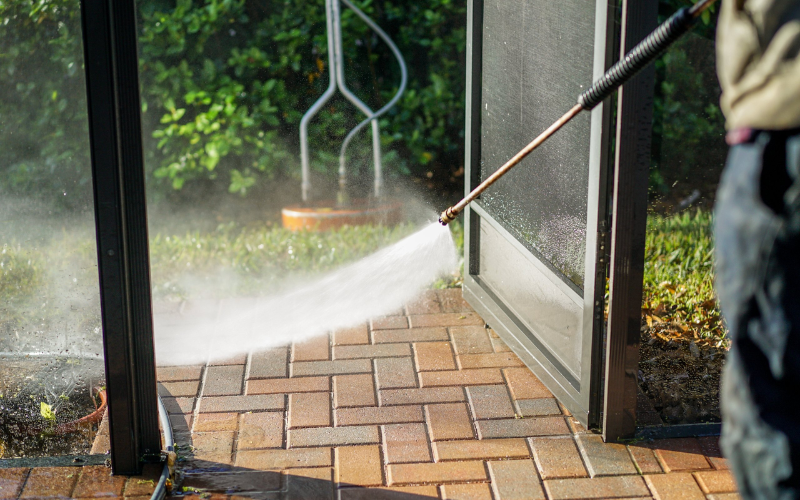
Pressure Washing: Uses a narrow stream of water at high PSI (1,300–3,000+). Great for concrete, driveways, or metal railings. Terrible for shingles, wood siding, or windows.
Soft Washing: Uses lower pressure (under 500 PSI) and special cleaning agents to lift and kill mold, algae, and dirt. It’s the preferred method for siding, roofs, and other delicate surfaces.
According to the Power Washers of North America (PWNA), nearly 70% of residential exterior cleaning is now done using soft washing methods due to safety and effectiveness.
Step-by-Step: How to Clean Your Home’s Exterior
You don’t need to be a professional to clean your house, but following a proven process helps you avoid streaks, missed spots, or worse—damage.
1. Inspect Everything First
Walk around your home and look for problem areas: mold spots, peeling paint, cracked siding, or rust stains. Take note of anything that needs repair before you break out the hose.
2. Pre-Treat Stains and Trouble Spots
Areas with algae or deep-set stains benefit from a pre-treatment. Apply your chosen cleaner and let it sit according to the instructions—usually 5 to 15 minutes.
3. Work From the Top Down
Always start at the top of your house and work downwards. This prevents dirty runoff from re-soiling cleaned areas.
4. Rinse Gently and Evenly
Whether you’re using a hose or a soft washer, rinse each section thoroughly. Leftover detergent can cause streaks or attract more dirt.
5. Inspect Your Work
Once everything’s dry, check your work in natural daylight. It’s okay to go back and do a second round in stubborn areas—just make sure the surface is cool and dry.
Safety Tips You Shouldn’t Ignore
Exterior house cleaning can be surprisingly risky if you’re not careful. Ladders, water, chemicals—it’s a recipe for slips or damage if you’re not paying attention.
Avoid pressure washing from ladders. The kickback can throw off your balance.
Don’t mix cleaners unless you’re certain they’re compatible—some combinations can create toxic fumes.
Protect your landscaping by covering plants with plastic or watering them before and after cleaning to dilute runoff.
If you’re ever unsure, it’s worth hiring a licensed professional who knows exactly how to handle different surfaces and materials.

Conclusion: Small Steps, Big Results
Cleaning your home’s exterior isn’t about trying to make it look like new forever—it’s about protecting the investment you already made. Regular maintenance keeps your siding in better shape, your roof from growing moss colonies, and your gutters flowing freely. It helps your house feel cared for—because it is.
Even if you don’t do it all at once, taking small steps (like tackling one section every weekend) can make a big difference over time. Your home will thank you.
FAQ: Exterior House Cleaning
How often should I clean the outside of my house?
Once every 12–18 months is a good rule of thumb. However, if your home is surrounded by trees or in a humid climate, more frequent cleaning might be necessary.
What’s the best way to clean siding without damaging it?
Soft washing is the safest option. It combines low pressure and cleaning solutions to remove buildup without stripping paint or damaging the surface.
Can I use a pressure washer on my roof?
No—pressure washing a roof can cause serious damage. Use a soft wash system or hire a pro who specializes in roof cleaning.
Is it worth hiring a professional for exterior house cleaning?
Yes, especially if your home is large, multi-story, or hard to access. Pros bring experience, safety gear, and efficiency that DIY efforts may lack.
I think the admin of this web page is actually working hard in favor of his web page, since here every data is quality
based material.