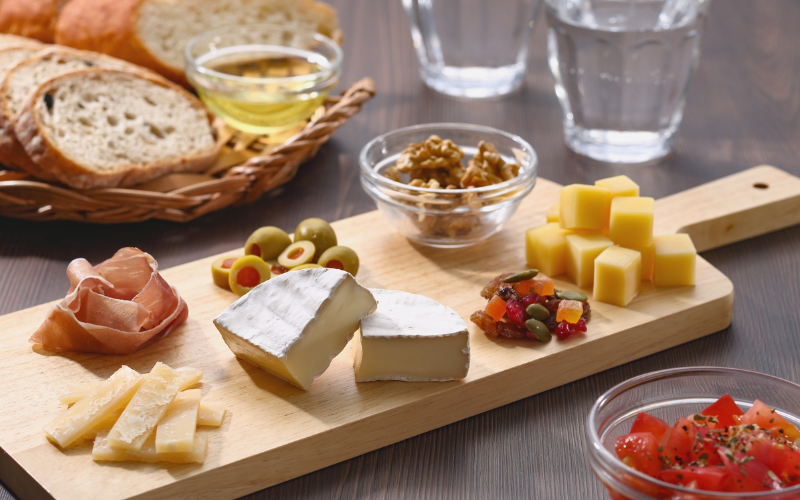
We often hear the word artisanal tossed around at markets, cheese counters, and trendy cafés. But what actually makes cheese artisanal? Is it just a fancy label or something more meaningful? The truth is, artisanal cheese is about more than taste—it’s a reflection of values, time-honored methods, and deep respect for ingredients. When you unwrap a block of cheese, you’re not just enjoying food. You’re experiencing a story—one built around craft, not convenience.
More Than a Marketing Term
Unlike industrial cheeses, which are made in large factories using standardized recipes and automated systems, artisanal is typically handcrafted in small batches. But that’s just the surface. The real difference lies in the process.
Cheese makers often begin with fresh milk sourced from a specific herd or farm—sometimes even their own. That milk is raw or minimally pasteurized, preserving more of its natural enzymes and character. From there, each step—culturing, curd cutting, salting, aging—is performed with skill, attention, and yes, a fair bit of intuition.
There’s no rigid timeline. The cheesemaker responds to the milk, the weather, and the season. Some days, a batch may need more time to ripen; on others, the curds behave unexpectedly. That flexibility is what makes the result so distinct. Every wheel or wedge has its own identity.
Sourcing Matters: The Importance of Milk Quality
High-quality cheese starts with high-quality milk. Artisanal producers often partner with small farms or raise their own animals—cows, goats, or sheep that are grass-fed and treated ethically. These animals graze on local pastures, giving the milk a “sense of place.” That’s something mass-produced cheese can never fully replicate.
The milk carries the imprint of the environment: the soil, the grasses, even the weather. This terroir creates a flavor profile unique to the region. You might notice subtle notes of herbs, earth, or even flowers depending on where and how the animals were raised. It’s this connection to the land that gives cheese its depth and complexity.
The Role of Time and Aging
One of the clearest markers of a cheese is the way it’s aged. Industrial operations typically push for quick turnaround—products that can be shipped fast, stored long, and taste consistent every time.
Cheese makers don’t rush. Many allow their cheeses to age in natural caves, temperature-controlled cellars, or even underground stone chambers. Some cheeses ripen for a few days; others rest for months or even a year to develop their full character.
Aging (also known as affinage) is a delicate art. It affects not just texture but flavor, aroma, and even the appearance of the rind. It requires patience, careful observation, and constant adjustments. It’s not an afterthought—it’s a core part of the craft.
Minimal Processing, Maximum Flavor
What many people love about cheese is its ability to surprise. One wheel might be firmer or tangier than the last. That’s because it’s made with minimal intervention. No synthetic additives, stabilizers, or artificial coloring. Just milk, salt, rennet, cultures—and time.
The simplicity of ingredients allows the natural qualities of the milk to shine. And because it’s not overprocessed, the cheese tends to retain more nutrients and complexity. That’s why it often pairs beautifully with wine, fruit, or even honey—it has enough character to stand on its own or elevate a pairing.
A Human Touch in Every Step
Perhaps the most defining trait of cheese is the people behind it. These cheesemakers aren’t anonymous factory workers. They’re farmers, families, food lovers, and sometimes even artists. They know their animals by name. They test curds by hand. They adjust recipes based on instinct as much as science.
This level of involvement means you’re not just buying a product—you’re supporting a craft. Often, you’ll find these makers at local farmers markets, talking directly to customers, offering samples, sharing stories. It’s not just a transaction. It’s a relationship.
That kind of transparency and intimacy is rare in our modern food system. And it’s something many people—once they experience it—don’t want to give up.
Not All “Artisanal” Labels Are Equal
Here’s the tricky part: there’s no universal legal definition of artisanal. Some brands use the word loosely, even when the product is mass-produced with minimal human involvement.
So how do you tell the difference?
Look for clues:
-
Is the cheese made in small batches?
-
Can you trace where the milk came from?
-
Does the maker use traditional techniques or raw milk?
-
Are you able to find information about the farm or the cheesemaker?
Truly cheese usually comes with a story, a place, and a face behind it.
Why It Matters
Choosing cheese is about more than flavor. It’s about supporting small-scale agriculture, sustainable practices, and food traditions that might otherwise be lost. These cheeses are the result of hard work, passion, and pride. They represent a pushback against the bland, fast, and uniform—and a return to something slower, tastier, and more intentional.
If you’re interested in diving deeper into the legacy, variety, and cultural role of these cheeses, check out What to Expect on Your First Visit to a Farm to Table Restaurant?. It uncovers the broader story behind each bite.
Conclusion
Cheese isn’t just about what’s on your plate—it’s about how it got there and who made it. From the farm to the aging cave to the market stall, each wheel reflects the craft, care, and culture of its creator. In a world where food often feels rushed and impersonal, cheese offers something deeply satisfying: authenticity.
So the next time you’re slicing into a wedge of handmade blue or aged gouda, take a second to appreciate the work behind it. Because good cheese doesn’t just happen—it’s made, with heart and hands.